
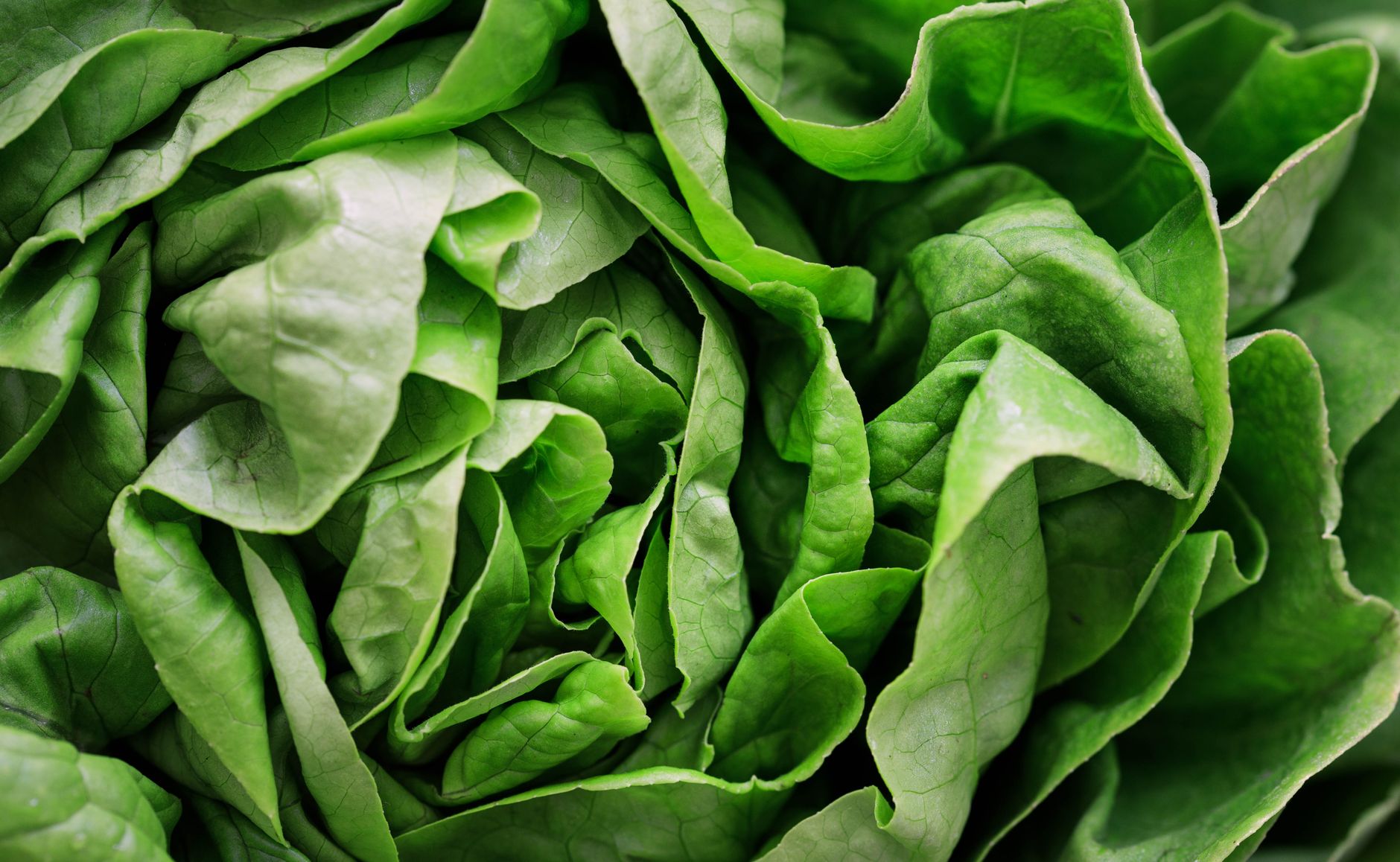
Eating salads does not have to feel boring or repetitive. In fact, Green Salads With A Twist can completely change the way you think about fresh vegetables by adding unexpected flavors, textures, and ingredients that make every bite more exciting. Instead of plain lettuce and basic dressing, modern salads now include fruits, nuts, grains, proteins, and creative dressings that turn simple greens into satisfying meals.
These upgraded salads are perfect for anyone trying to eat healthier without giving up flavor. Whether you are preparing lunch, dinner, or a light snack, adding a creative twist to green salads helps you enjoy nutritious food in a more enjoyable way. The best part is that you do not need complicated recipes to make them taste amazing.
Why Green Salads Do Not Have to Be Boring
Many people associate salads with strict diets or bland meals, but that idea is outdated. Today, salads are more flexible, flavorful, and creative than ever before. The key is learning how to build layers of taste and texture that keep each bite interesting.
A basic green salad usually includes lettuce, cucumber, and tomato. While this combination is healthy, it can feel repetitive if eaten too often. Adding variety through ingredients like roasted vegetables, fruits, seeds, or proteins transforms the experience completely.
Texture also plays an important role. Crunchy nuts, creamy avocado, juicy fruits, and crisp greens create contrast that makes salads more enjoyable. When different textures come together, the salad feels more like a complete meal rather than a side dish.
Flavor balance is another important factor. A mix of sweet, salty, tangy, and savory elements can elevate even the simplest salad. A light dressing with lemon, olive oil, or yogurt-based sauces can bring everything together without overpowering the ingredients.
Creative Ingredients That Add a Twist
One of the easiest ways to upgrade salads is by experimenting with unexpected ingredients. Adding something new can completely change the taste and make your meal more exciting.
Fruits such as strawberries, apples, oranges, or pomegranate seeds add natural sweetness and freshness. These ingredients pair especially well with leafy greens like spinach or arugula.
Nuts and seeds provide crunch and healthy fats. Almonds, walnuts, sunflower seeds, and pumpkin seeds are popular choices that add both flavor and nutrition.
Grains like quinoa, brown rice, or couscous can turn a simple salad into a filling meal. They provide energy and help keep you full for longer periods.
Cheese alternatives or dairy-free options can also add richness. Even small amounts of feta, goat cheese, or plant-based cheese can enhance the overall taste profile.
Herbs such as basil, mint, cilantro, and parsley bring freshness and aroma. These small additions often make a big difference in flavor.
Protein-Packed Salad Variations
Adding protein is one of the most effective ways to turn a salad into a complete meal. It helps balance nutrition and keeps you satisfied for longer periods.
Grilled chicken is one of the most common protein additions for salads. It is simple, versatile, and pairs well with almost any combination of greens and dressings.
Eggs are another great option. Boiled or poached eggs add richness and protein without requiring complicated preparation.
For plant-based options, chickpeas, lentils, and beans are excellent choices. They are filling, nutritious, and blend well with fresh vegetables and grains.
Fish such as tuna or salmon can also elevate a salad, adding healthy fats and a more complex flavor profile.
Tofu and tempeh are popular among vegetarian and vegan diets, offering a satisfying texture and ability to absorb flavors from dressings and spices.
Including protein in your salads ensures that they are not just light snacks but полноцен meals that support energy and nutrition.
Bold Dressings and Flavor Enhancers
Dressings are often what transform Green Salads With A Twist from simple dishes into flavorful experiences. A good dressing ties all ingredients together and enhances the overall taste.
Classic olive oil and lemon juice combinations are always a safe and healthy option. They add freshness without overwhelming the natural flavors of the ingredients.
Yogurt-based dressings offer a creamy texture without being too heavy. They pair well with herbs, garlic, and citrus flavors.
Nut-based dressings made from tahini or peanut butter can create rich and satisfying flavors, especially when combined with soy sauce or lime juice.
Balsamic vinegar adds a slightly sweet and tangy taste that works well with fruits and roasted vegetables.
Spices and seasoning blends can also be used to enhance flavor without adding extra calories. A pinch of black pepper, chili flakes, or herbs can make a big difference.
The key is to use dressings in moderation so that they enhance rather than overpower the salad.
Seasonal Salad Ideas for Variety
Using seasonal ingredients is a great way to keep salads fresh, affordable, and flavorful throughout the year. Each season brings different produce that can inspire new combinations.
In spring, light and refreshing salads with greens, peas, cucumbers, and herbs work well. These ingredients feel fresh and vibrant after winter meals.
Summer salads often include juicy fruits like watermelon, berries, and peaches. These add natural sweetness and hydration during warmer months.
In autumn, roasted vegetables such as squash, sweet potatoes, and beets bring warmth and depth to salads. These ingredients pair well with nuts and grains.
Winter salads can focus on hearty greens like kale and cabbage combined with citrus fruits and protein-rich toppings for balance.
By rotating ingredients based on the season, you can enjoy Green Salads With A Twist all year without getting bored.
Tips for Making Salads More Exciting Every Day
Creating enjoyable salads does not require complicated cooking skills. Small changes in preparation and presentation can make a big difference.
Chopping ingredients into different shapes and sizes can improve texture and visual appeal. A mix of sliced, diced, and shredded ingredients makes salads more interesting.
Layering ingredients instead of mixing everything at once can create a more appealing presentation and help maintain freshness.
Preparing ingredients in advance saves time and encourages healthier eating habits. Washed greens, chopped vegetables, and cooked proteins can be stored for quick meal assembly.
Experimenting with different combinations is key. Trying new ingredients regularly helps you discover new favorite flavors and prevents meal fatigue.
Finally, focusing on balance ensures that your salad is both nutritious and satisfying. A mix of greens, protein, healthy fats, and flavor elements creates the perfect combination.
Final Thought
Exploring Green Salads With A Twist shows that salads can be far more than simple side dishes. With the right ingredients, textures, and flavors, they become exciting, satisfying meals that support both health and enjoyment.
The beauty of creative salads is their flexibility. You can adapt them to your taste, dietary needs, and seasonal ingredients without losing flavor or nutrition. By experimenting with fruits, proteins, grains, and bold dressings, you can turn everyday greens into something truly special that you look forward to eating.
FAQs
What are Green Salads With A Twist?
They are traditional green salads enhanced with creative ingredients like fruits, nuts, proteins, and bold dressings for better flavor and variety.
How can I make my green salad more interesting?
You can add different textures and flavors such as fruits, grains, seeds, herbs, and flavorful dressings to enhance taste and variety.
Are Green Salads With A Twist healthy?
Yes, they are generally very healthy when made with fresh vegetables, balanced proteins, and moderate dressings.
What proteins can I add to green salads?
Grilled chicken, eggs, beans, chickpeas, tofu, tuna, and salmon are all great protein options for salads.
What dressings work best for creative salads?
Olive oil with lemon, yogurt-based dressings, balsamic vinegar, and nut-based sauces are popular choices.
Can salads be eaten as a full meal?
Yes, when they include protein, healthy fats, and grains, salads can easily serve as complete and filling meals.
How do I keep salads fresh for longer?
Store ingredients separately, use airtight containers, and prepare dressings only when ready to eat.