
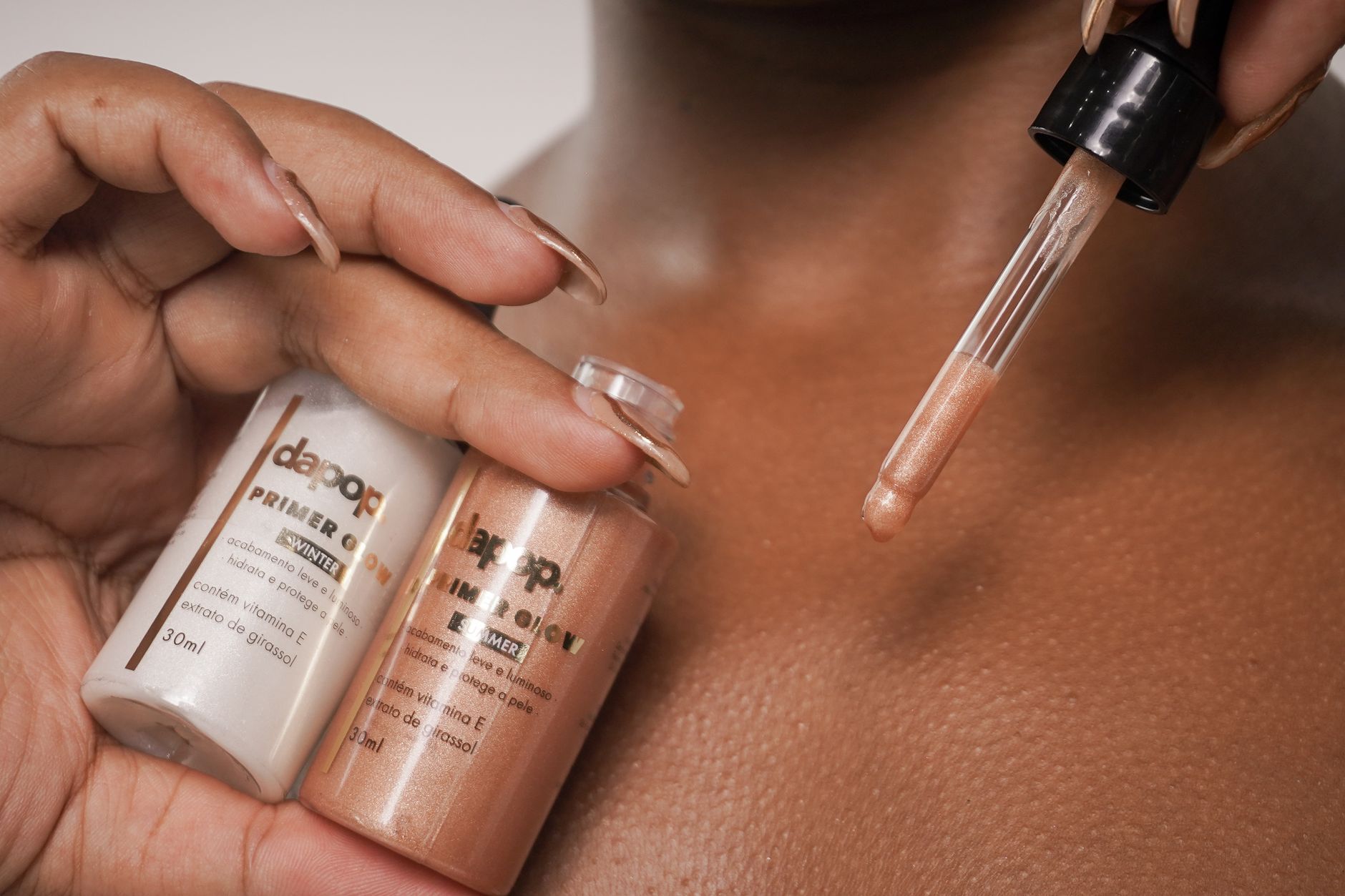
Finding the right Face Primer For Oily Skin can make a huge difference in how your makeup looks and lasts throughout the day. Oily skin often causes makeup to slide off, look shiny, or break down faster than expected, which can be frustrating. A good primer acts as a base that helps control excess oil, smooth the skin’s texture, and improve makeup longevity.
Instead of constantly blotting or reapplying products, using the right primer helps create a balanced surface for foundation and other makeup products. It is not just a beauty step but an essential part of a makeup routine for anyone dealing with oily or combination skin.
Understanding Oily Skin and Its Makeup Challenges
Oily skin produces excess sebum, which is a natural oil that helps protect and hydrate the skin. However, when produced in large amounts, it can cause shine, clogged pores, and makeup breakdown.
One of the biggest challenges for people with oily skin is keeping makeup in place. Foundation may separate or fade quickly, especially in hot or humid weather. Powder products can also become patchy if the skin is too oily underneath.
Another issue is enlarged pores, which often become more visible when oil builds up. Without proper preparation, makeup can settle into these pores, making the skin look uneven.
This is where a good primer becomes important. It creates a smooth layer between the skin and makeup, helping control oil and improving overall finish.
What Makes a Good Face Primer for Oily Skin
Choosing the right primer is essential for achieving long-lasting makeup. Not all primers are designed for oily skin, so understanding key features can help you make a better choice.
A good Face Primer For Oily Skin should have oil-controlling properties. These primers are often labeled as mattifying, which means they reduce shine and help keep the skin looking fresh.
Lightweight formulas are also important. Heavy or greasy primers can make oily skin feel worse and may lead to clogged pores. Gel-based or water-based primers are often better suited for this skin type.
Silicone-based primers are also popular because they help fill in pores and create a smooth surface. However, they should be used carefully depending on individual skin sensitivity.
Non-comedogenic formulas are another important factor. These products are designed not to clog pores, which is especially important for oily or acne-prone skin.
How to Apply Face Primer Correctly
Using primer correctly is just as important as choosing the right one. Proper application ensures better results and longer-lasting makeup.
Start with a clean face. Washing your skin removes excess oil, dirt, and impurities that can affect how well the primer works. After cleansing, applying a lightweight moisturizer helps maintain balance without making the skin too greasy.
Once your skincare routine is complete, take a small amount of primer and gently apply it to areas that tend to get oily. These usually include the forehead, nose, and chin, commonly known as the T-zone.
Instead of rubbing the product harshly, gently press it into the skin. This helps the primer adhere better and creates a smoother finish.
Allow the primer to settle for a few minutes before applying foundation. This waiting time helps it form a proper base for makeup application.
Benefits of Using Primer for Oily Skin
Using a primer specifically designed for oily skin offers multiple benefits beyond just makeup preparation.
One of the biggest advantages is oil control. A good primer helps reduce excess shine throughout the day, keeping the skin looking fresh for longer periods.
It also improves makeup longevity. Foundation, concealer, and powder stay in place better when applied over a smooth, oil-free base.
Another benefit is pore minimization. While primer does not permanently shrink pores, it can visually reduce their appearance, creating a more even skin texture.
Primers also help prevent makeup from creasing or separating. This is especially useful in warm or humid environments where makeup tends to break down faster.
Overall, a primer enhances both the appearance and performance of makeup, making it an essential step for oily skin types.
Common Mistakes to Avoid When Using Primer
Even with the right product, improper usage can reduce its effectiveness. Avoiding common mistakes can help you achieve better results.
One common mistake is using too much product. Applying a thick layer of primer can make the skin feel heavy and may even cause makeup to slide off instead of staying in place.
Skipping moisturizer is another mistake. Even oily skin needs hydration. Without proper moisture, the skin may produce even more oil to compensate.
Applying primer on dirty or unprepared skin can also reduce its effectiveness. Always cleanse and prepare the skin before applying any base product.
Another mistake is choosing the wrong type of primer. Using a hydrating or dewy primer on oily skin can make oil control more difficult.
Lastly, not allowing the primer to settle before applying makeup can affect how well the foundation blends and lasts.
Tips for Choosing the Best Primer for Your Skin Type
Finding the right Face Primer For Oily Skin often requires some trial and understanding of your skin’s behavior.
If your skin becomes very shiny during the day, look for mattifying primers that specifically target oil control. These help reduce shine and extend makeup wear time.
If you have visible pores along with oiliness, pore-filling primers may be more suitable. These smooth out uneven areas and create a more refined base.
For those with sensitive skin, fragrance-free and gentle formulas are better choices to avoid irritation.
It is also helpful to test products in small areas before full application. This allows you to see how your skin reacts before committing to a full routine.
Paying attention to ingredients and reading product labels can also help you choose a primer that works best for your individual skin needs.
Final Thought
Choosing the right Face Primer For Oily Skin can transform your makeup routine by improving control, longevity, and overall finish. With the right product and proper application technique, oily skin can stay balanced and fresh-looking throughout the day.
A good primer is more than just a beauty product; it is a foundation for confidence and comfort in your makeup routine. By understanding your skin and selecting the right formula, you can achieve a smoother, more long-lasting look with less effort and fewer touch-ups.
FAQs
What is a Face Primer For Oily Skin used for?
It is used to control excess oil, smooth the skin, and help makeup last longer throughout the day.
Can oily skin skip primer?
Yes, but using primer is highly recommended because it improves makeup longevity and reduces shine.
How often should I use primer on oily skin?
You can use primer every time you apply makeup to create a smooth and long-lasting base.
Does primer help with acne on oily skin?
Primer does not treat acne but non-comedogenic formulas can help prevent clogged pores.
Should I use moisturizer before primer?
Yes, even oily skin needs lightweight hydration before applying primer for best results.
Can primer reduce large pores?
Primer can visually minimize the appearance of pores but does not permanently reduce their size.
What type of primer is best for oily skin?
Mattifying, oil-free, and gel-based primers are generally best for oily skin types.